How Swim Schools Build Stronger Communities
A swim school can be much more than a place for weekly lessons. It is a local meeting point where children develop water safety and confidence, parents share support, and families build lasting connections. By welcoming different ages, abilities and backgrounds, a community-focused swim school helps Western Sydney families grow stronger together.
How does a swim school connect with its local community?
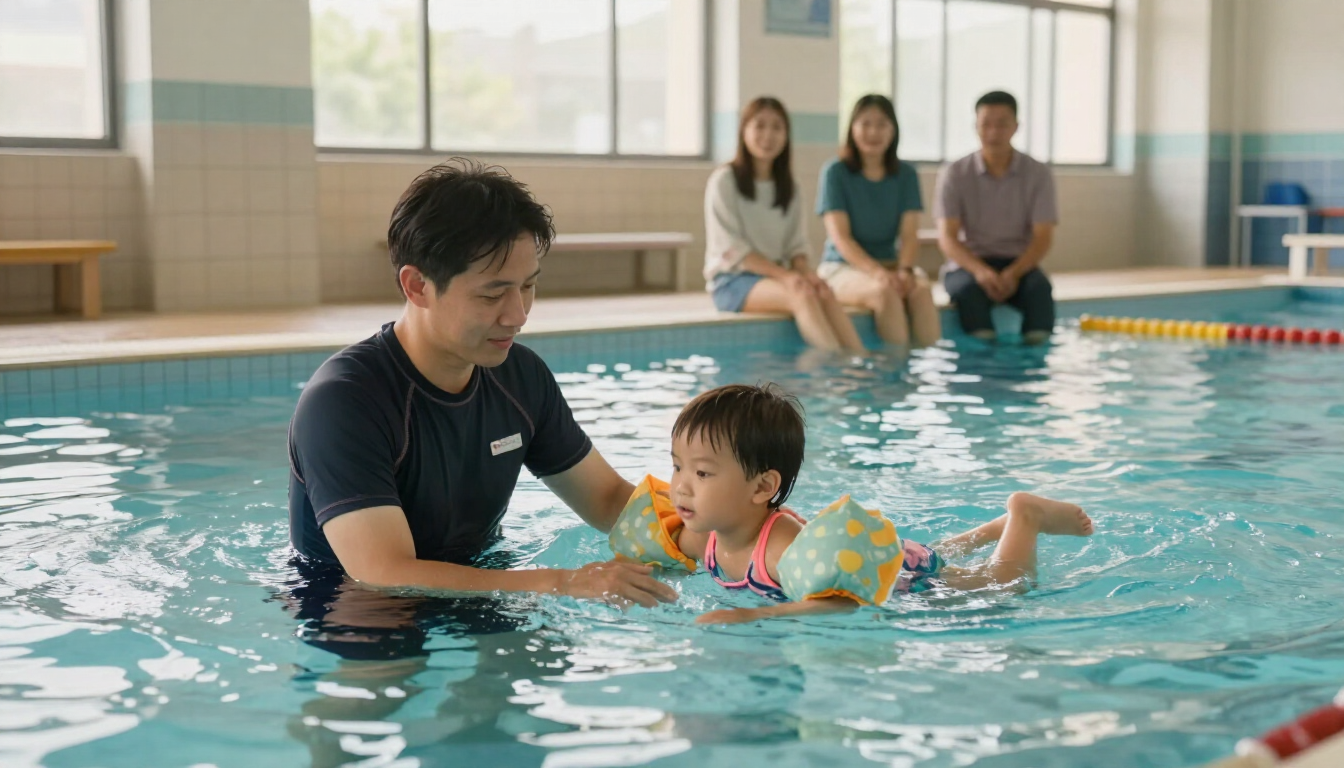
A local swim school connects with its community by creating a consistent, welcoming space for families. Children see familiar teachers and classmates each week, while parents meet others who live nearby and share similar experiences.
That regular contact matters. Communities are often built through repeated everyday interactions rather than occasional large events. A lesson may last only 30 or 45 minutes, but the relationships formed around it can continue at the pool entrance, in local schools, at sports activities and through family celebrations.
Little Fishes Swim School has supported families from Oakhurst, Blacktown and across Western Sydney since 2010. Being family owned and operated gives the school a strong local focus: lessons are designed around the needs of nearby families, not an anonymous or one-size-fits-all model.
Families can learn more about the school’s story on the About Us page or explore the communities included in its Areas We Serve .
Why are swimming lessons important for community wellbeing?
Swimming lessons contribute to community wellbeing in several connected ways:
- They improve water safety: Children learn skills that can help them respond more safely around pools, beaches and other waterways.
- They build confidence: Steady progress gives children a sense of achievement that can support participation in other activities.
- They encourage healthy activity: Regular swimming develops movement, coordination and fitness.
- They support inclusion: Adapted teaching can help children with additional needs participate meaningfully.
- They bring families together: Parents and children share a positive routine in a familiar local setting.
Water safety is particularly important in Australia, where families may spend time around swimming pools, rivers and beaches. A community that understands safe behaviour around water is better prepared to protect children and support one another.
A local history of teaching families
Little Fishes began serving local families in 2010 and has continued to grow alongside the surrounding Western Sydney suburbs. Over time, a swim school becomes part of the area’s family history. A child who starts as a baby may later return for preschool lessons, school-age classes or advanced training.
This continuity allows teachers to understand a swimmer’s development over several years. It also gives families confidence that they can remain with a trusted local provider as their needs change.
The school’s purpose-built, heated indoor saltwater pool supports lessons throughout the year. Families do not need to wait for summer to maintain their child’s skills, which helps make swimming a reliable part of weekly life.
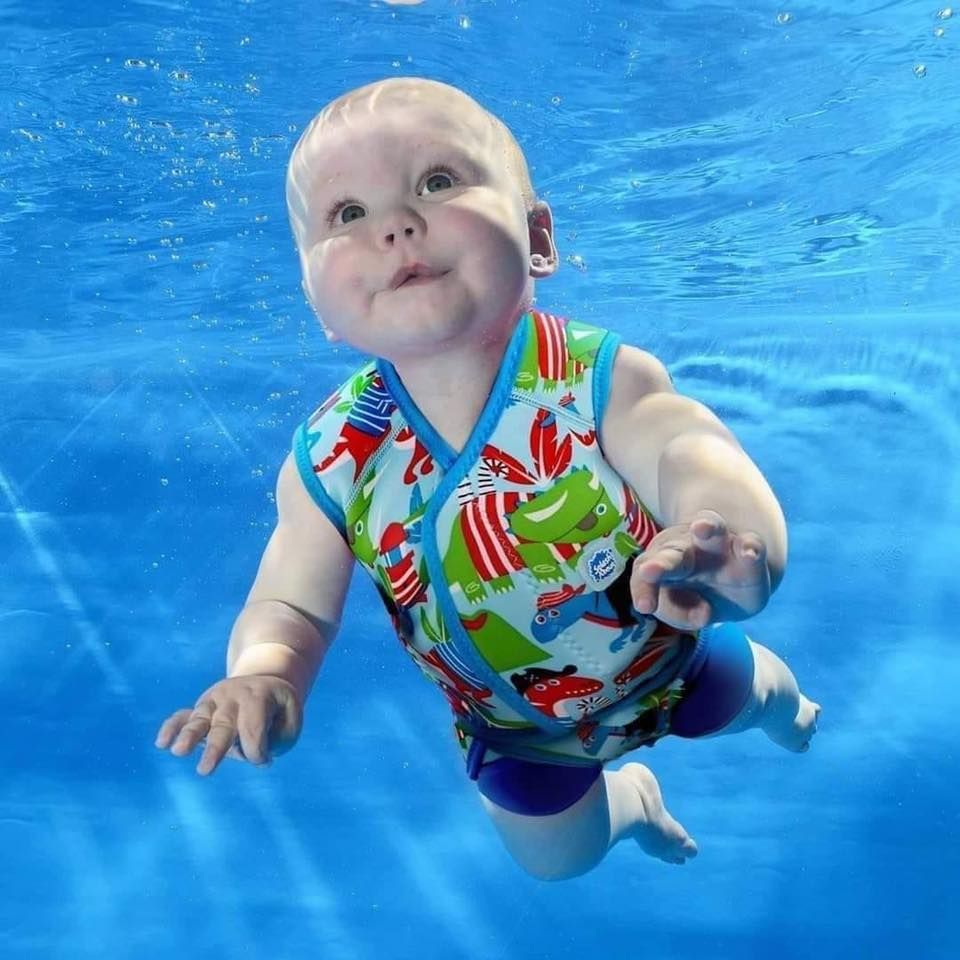
For younger children, Baby Swimming Lessons and Preschool Swimming Lessons provide an early introduction to the water. Older children can continue through School-Age Lessons or Advanced Swimming Lessons .
How can a swim school help families form connections?
A swim school can encourage connection through simple, thoughtful choices in its programmes and daily routines.
Small classes create familiar groups
Small groups give children more opportunities to interact and help teachers provide individual attention. Little Fishes classes have up to four children per teacher, with baby classes allowing up to seven. This creates a more personal environment where children can recognise their classmates and celebrate one another’s progress.
Shared milestones create positive memories
Learning to float, swim a full length or enter the water independently can feel significant to a child. When families and teachers acknowledge these milestones, the pool becomes a place associated with encouragement and shared achievement.
Inclusive programmes welcome more families
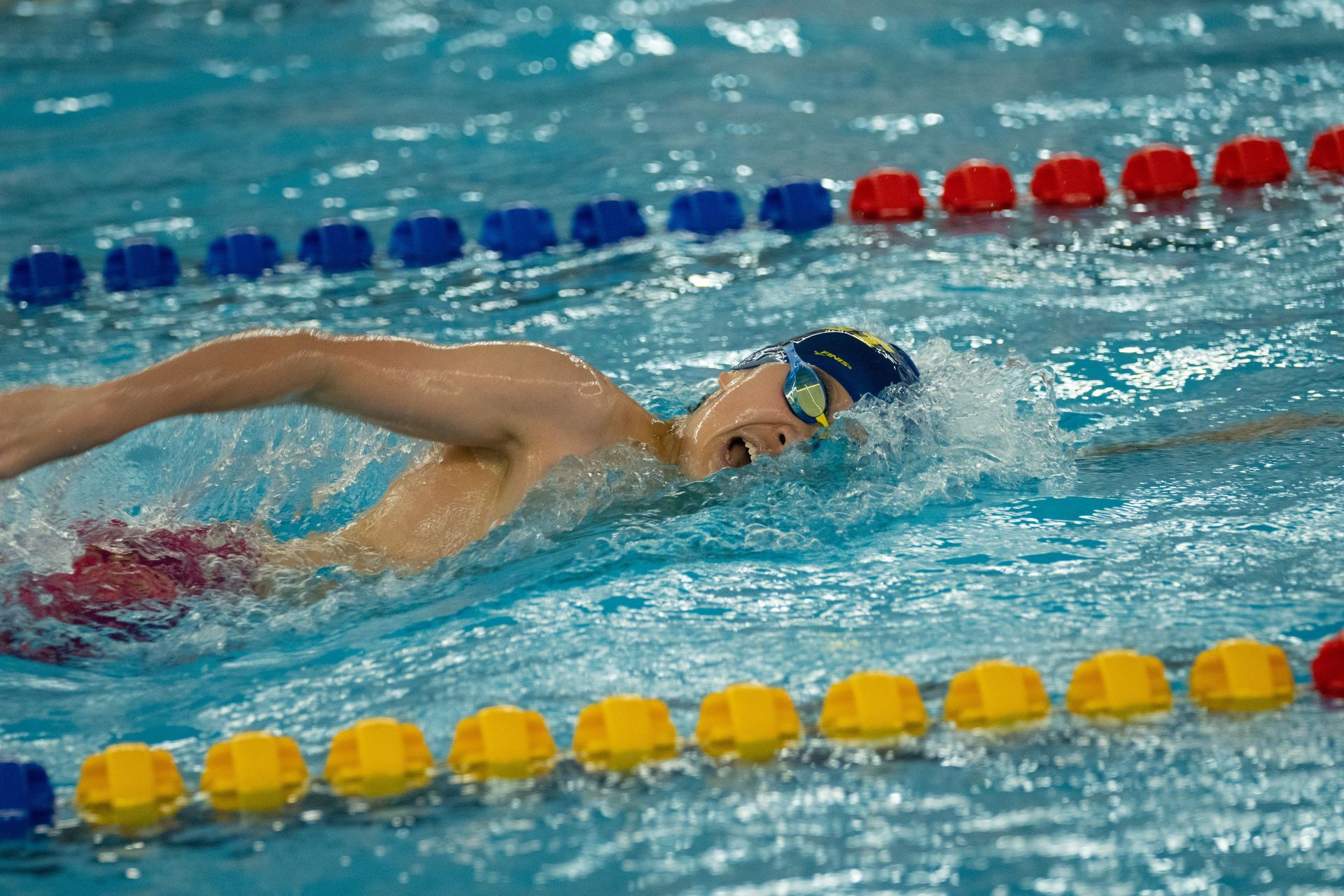
Community is strongest when people can participate. Lessons for babies, toddlers, preschoolers, school-age children, advanced swimmers, adult beginners and children with additional needs help more members of the local area find a suitable starting point.
Families looking for tailored support can explore Additional Needs Swimming Lessons , while adults who want to learn or rebuild confidence can visit Adult Swimming Lessons .
Teachers provide consistency and care
AUSTSWIM or Royal Life Saving Society trained teachers bring professional knowledge to every lesson. Just as importantly, they can become trusted adults in a child’s weekly routine. Patient instruction and clear communication help children feel secure enough to try new skills.
What can families do to strengthen their local swim community?
Families do not need to organise a major event to contribute. Small actions can make the swimming environment more welcoming:
- Arrive prepared and on time so lessons can begin calmly and everyone receives the full session.
- Encourage every child’s progress , including classmates who may be learning at a different pace.
- Follow pool and lesson policies to help maintain a safe, respectful environment.
- Share useful feedback when a family has an idea that could improve the experience.
- Take part in local opportunities , such as school programmes, family activities or pool celebrations.
Parents can review Lesson Policies , send ideas through Customer Feedback , or learn about Local School Programs . These links help families participate in the wider culture of safety and cooperation.
Community activities beyond weekly lessons
Swimming lessons are the foundation, but a swim school can become a broader gathering place. Family events, school partnerships and children’s celebrations create additional opportunities for people to meet outside the normal class structure.
For example, a pool party can give children a chance to enjoy the space with siblings and friends while parents meet other families in a relaxed setting. Little Fishes offers Kids Pool Parties , providing another way for the school to be part of local family life.
Partnerships with nearby schools can also extend water-safety education beyond enrolled swimmers. When children learn safe habits at school and reinforce them at home or in lessons, the message becomes more memorable and useful.
Why choose a community-focused swim school?
The right swim school should provide more than a convenient timetable. Families may wish to consider:
- Whether lessons are designed for their child’s age, confidence and ability.
- How many children are in each group.
- Whether teachers hold recognised qualifications.
- If the pool is heated and available throughout the year.
- How the school communicates with and supports families.
- Whether additional needs and adult learners are welcomed.
A community-focused school combines these practical features with a sense of belonging. It should be a place where children can learn safely, parents feel informed and every family is treated as part of the local community.
Families can start by exploring How We Teach , reviewing the Programs , or booking a Free Swim Trial . A trial allows a child to meet the team, experience the pool and begin building confidence before committing to regular lessons.
Frequently asked questions
How does a swim school support local families?
It provides regular lessons, water-safety education and a welcoming place where children and parents can build relationships. A local swim school may also support schools, family events and inclusive programmes.
Can swimming lessons help children make friends?
Yes. Small, consistent classes help children see familiar classmates, practise teamwork and celebrate shared milestones. Friendships develop naturally when children learn together in a supportive environment.
Are swim schools suitable for adults and children with additional needs?
Many are. A suitable programme should match the learner’s experience, confidence and support requirements. Families should ask about class structure and teaching adaptations before enrolling.
When should a child start swimming lessons?
Many children can begin from around six months through parent-and-baby classes. The best starting point depends on the child’s development, comfort in the water and family goals. A free trial can help determine whether a programme is suitable.
Building stronger communities, one lesson at a time
A swim school builds community by combining water safety, regular routines and genuine local relationships. For Little Fishes, serving Oakhurst, Blacktown and Western Sydney since 2010 means supporting families at many stages, from baby lessons to adult learning and advanced swimming. Small classes, qualified teachers and inclusive programmes help create a place where people feel known and encouraged. If you are comparing local swim schools, consider the teaching approach, class size, facilities and sense of welcome. Then book a free swim trial to meet the team and discover how swimming can support your family and community.